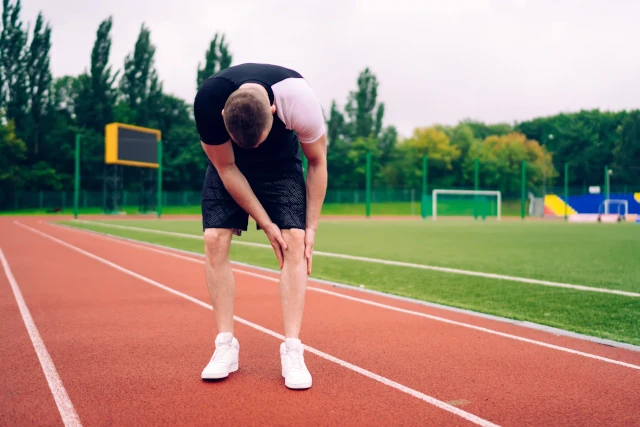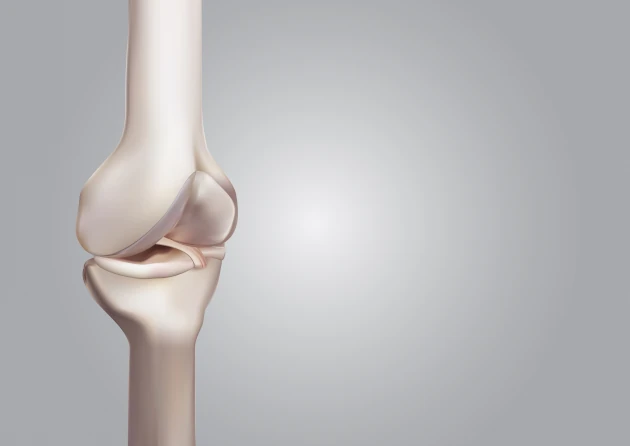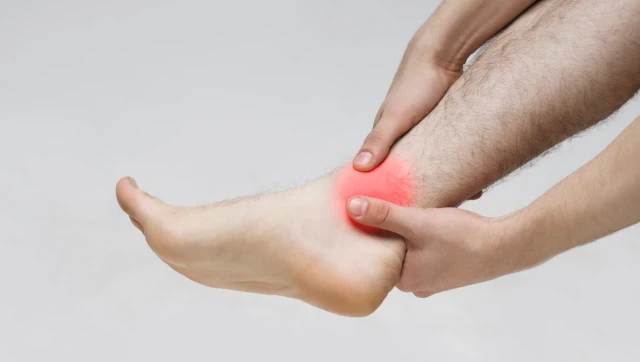
Explore symptoms, assessment and rehabilitation considerations for sports injury.
A sports injury can interrupt a regular run, gym routine or team sport. Rehabilitation should reflect the injured tissue, your symptoms and the activity you want to return to. This guide explains assessment, recovery planning and decisions about training after a muscle, tendon or ligament injury.
Common soft-tissue injuries in sport
A sprain involves a ligament, while a strain involves a muscle or tendon. Some injuries follow a sudden twist or fall; others develop with repeated activity. Pain, swelling and reduced function can occur in different injuries, so they do not establish a diagnosis on their own.
The American Academy of Orthopaedic Surgeons soft-tissue injury guide explains these distinctions. Describe how the injury happened and any recent change in training when you seek an assessment.
When a sports injury needs urgent medical assessment
Get urgent medical help if pain or swelling is severe or worsening, you cannot bear weight or walk a few steps, or you have fever and feel unwell after an injury.
Seek emergency care if the injured part has changed shape, you heard a crack, or there is numbness, tingling or skin that becomes cold, blue or grey. A fracture or another injury may need assessment before rehabilitation.
The NHS sprain and strain guidance explains these warning signs. Do not treat them as routine post-training soreness.
Building a rehabilitation plan
Treatment depends on the injury and its severity. Early care may involve protection, activity changes or a support, followed by exercises for movement, strength and daily function. Follow any weight-bearing or movement restrictions you have been given after assessment.
Bring specific goals to physiotherapy: running a particular distance, changing direction in football or lifting during training. Agree on which exercises and activities are suitable now, what response to monitor and when to review progress.
Useful details for follow-up include:
- Which everyday tasks you can do comfortably.
- How pain and swelling respond during and after exercise.
- What parts of training remain difficult.
- Any concerns about returning to the activity.
Our sports injury physiotherapy guide explains video assessment, rehabilitation planning and when in-person care is needed.
Returning to training, sport and performance
The 2016 Bern consensus on return to sport describes a gradual process: returning to participation, returning to the sport and returning to the desired performance level. Modified training and full competition can be different steps.
Decisions should consider the injury, the sport and its physical demands, alongside relevant clinical and functional tests. Discuss the tasks your sport requires with your clinician rather than treating a date or a comfortable walk as automatic clearance for competition.
Reducing avoidable training overload
The AAOS guide recommends gradual changes in activity, preparation for exercise, appropriate equipment and regular recovery from vigorous training. If you are returning after time away, build activity cautiously instead of immediately repeating your old workload.
Describe changes in training volume, intensity and frequency at review. An injury prevention plan should fit your sport and circumstances; no routine eliminates all injury risk.
Common questions about sports injury recovery
Can I continue training while injured?
Ask your clinician which modified activities are appropriate. Follow restrictions for your particular injury and avoid exercise that worsens symptoms.
How long will rehabilitation take?
It depends on the injury, its severity and your goals. Agree on assessment and follow-up points rather than a universal schedule for all sports injuries.
Sources and further reading
Need a Personalized Recovery Plan?
Explore our treatment options for this topic: Online Sports Injury Physiotherapy.
A physiotherapist can help you choose exercises and adjust activity to your circumstances. Explore our physiotherapy services, see how our treatment process works, or explore more practical guides in our blog library.