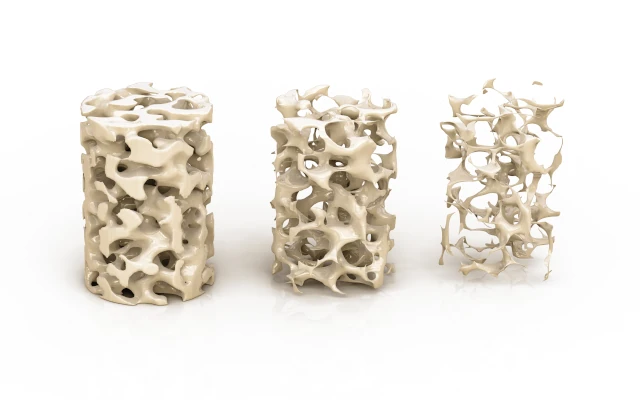
This osteoporosis guide is designed to help you understand symptoms, treatment options, and practical physiotherapy steps to improve recovery outcomes.
Ozempic (semaglutide) is widely used for type 2 diabetes and weight reduction. As use increases, many patients ask whether rapid weight loss can affect bone density and osteoporosis risk.
This article explains Ozempic and bone health, T-score interpretation, osteoporosis risk factors, physiotherapy strategies, and whether vibration plate therapy is useful in bone-safe rehabilitation.
What Is Ozempic and Why Is It Used?
Ozempic is a GLP-1 receptor agonist used in glucose control and weight management. It can reduce appetite and body weight, which is beneficial metabolically but requires careful monitoring of muscle and bone health in high-risk populations.
Is Ozempic Linked to Osteoporosis?
Current evidence is mixed. Ozempic itself is not automatically a direct cause of osteoporosis, but rapid weight loss, reduced resistance loading, inadequate protein intake, and low muscle mass can negatively affect bone health over time.
Who Is at Higher Bone-Risk While on Weight-Loss Therapy?
- Postmenopausal women
- Older adults with low baseline strength
- Patients with low calcium or vitamin D intake
- People with sedentary lifestyle and minimal load-bearing activity
- History of prior low-trauma fractures
Understanding T-Scores and DEXA Reports
- Normal: -1.0 and above
- Osteopenia: between -1.0 and -2.5
- Osteoporosis: -2.5 or lower
T-scores help classify risk, but treatment decisions also include age, fracture history, medications, and functional status.
Can Bone Loss Be Reversed?
Severe osteoporosis is not usually fully reversible, but progression can be slowed and fracture risk reduced with a combined plan.
- Weight-bearing and resistance exercise
- Adequate calcium, vitamin D, and protein
- Medication when clinically indicated
- Falls prevention and balance training
Physiotherapy Role in Osteoporosis Management
- Strength training for hips, spine, and lower limbs
- Posture correction and back extensor endurance
- Balance and gait training to reduce falls
- Safe movement education for daily tasks
- Functional loading progression based on risk profile
Vibration Plate Therapy: Evidence and Cautions
Whole-body vibration may offer modest benefit in selected people when combined with exercise. It should not replace progressive strength training and must be used under professional guidance.
- Not suitable for everyone
- Requires proper frequency, duration, and supervision
- Works best as part of complete rehab, not standalone therapy
Bone-Safe Exercise Plan While on Ozempic
- 2-3 days per week resistance training
- Most days weight-bearing activity such as walking
- 2-3 sessions weekly balance/proprioception drills
- Back extensor and hip strength progression
- Protein-focused nutrition around training
Monitoring Checklist
- DEXA trends and T-score changes
- Strength changes and walking tolerance
- Any new pain or low-impact fracture history
- Falls or balance confidence decline
- Rate of weight loss and nutritional adequacy
Frequently Asked Questions
Should everyone on Ozempic get a bone scan?
Not always. Risk-stratified screening is better, based on age, history, and clinical risk profile.
Can I prevent bone loss during weight loss?
Yes, with resistance training, adequate nutrition, and regular clinical monitoring.
Bone Health Protection Checklist
- Maintain protein intake during weight-loss phases
- Perform regular resistance and impact-tolerant exercise
- Monitor vitamin D and calcium status clinically
- Track strength decline and balance confidence
- Repeat DEXA as advised by your physician
Who Should Get Early Bone-Risk Screening?
- Postmenopausal women on rapid weight-loss protocols
- Adults with prior fragility fractures
- Patients with prolonged inactivity or muscle loss
- People with known osteopenia at baseline
Additional Expert FAQs
Is vibration plate therapy enough for bone health?
No. It may be adjunctive, but progressive strength training remains a primary pillar of bone-focused rehabilitation.
Need a Personalized Recovery Plan?
Every condition responds differently to treatment. For better outcomes, combine self-care with expert guidance, structured progression, and regular review. Explore our physiotherapy services, see how our treatment process works, or read more evidence-based guides in our blog library.