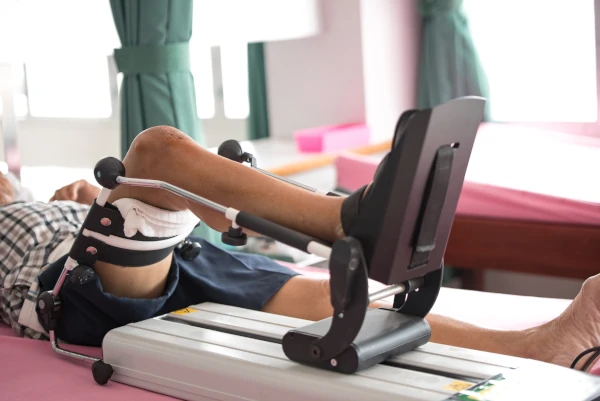
Explore symptoms, assessment and rehabilitation considerations for geriatric care.
Physiotherapy for older adults starts with the activities that matter to the person: getting out of a chair, walking indoors, using steps or going out with confidence. Assessment helps choose suitable exercises, assistance and rehabilitation goals. Age alone does not determine the right programme.
What geriatric physiotherapy can cover
The NHS physiotherapy overview describes assessment of medical history, symptoms and abilities, followed by discussion of treatment options. For an older adult, explain current mobility difficulties, existing conditions and any advice from the treating healthcare team.
Agree on specific goals rather than a general promise of healthy aging. Tell the therapist whether you need help with transfers, walking, balance or a task affected by pain. Bring information about walking aids and support available at home.
Falls and balance problems need individual assessment
Explain any falls or near falls, difficulty getting up, dizziness and fear of falling. A fall can have more than one contributing factor, so a generic balance routine is not a complete assessment.
NICE NG249 falls guidance covers people aged 65 and over, and people aged 50 to 64 with factors that increase fall risk. Where a comprehensive assessment is appropriate, it considers movement, strength, medicines, vision and other individual factors.
The guideline recommends tailored, progressive fall-prevention exercise programmes delivered by appropriately trained professionals. The amount of support and exercise difficulty should reflect the person's abilities and be reviewed as their needs change. Medicine changes belong with the prescribing clinician.
Strength exercise examples to discuss with a physiotherapist
The NHS strength exercise guide includes chair-based and supported standing movements. Use a stable chair that will not slide and has no wheels. Ask which movements and repetitions suit you, particularly if you have fallen, feel unsteady or have medical restrictions.
Sit-to-stand practice
With feet on the floor, lean forward and rise slowly from the chair, then lower yourself with control. Ask whether you need hand support, a different chair height or supervision. Do not practise alone if you cannot transfer safely.
Supported heel raises
Holding a stable support, slowly lift both heels within a comfortable range and lower them again. The therapist can check whether standing practice is suitable or whether a seated alternative is needed.
These examples explain possible movements; they do not replace a falls assessment or establish a daily exercise dose for everyone.
Making everyday activity and the home environment safer
The NHS falls advice includes reducing trip hazards, using secure footwear and discussing walking aids or home adaptations. Keep a phone or personal alarm accessible and arrange help with difficult tasks.
Discuss vision or hearing problems and possible medicine effects with the relevant healthcare professional. Ask whether a home assessment is needed for rails, equipment or changes to the space. Exercises are one part of a wider plan.
Track progress in the tasks you chose with the therapist, such as how much help you need to rise from a chair or walk to the bathroom. Report new dizziness, falls or worsening mobility before making exercises harder.
When a fall needs urgent or emergency help
Seek emergency help after a fall if the person cannot get up or may have injured their head, back, neck or hip. Do not try to lift them yourself. The NHS falls guidance linked above advises getting urgent help if someone may be injured, in pain or unwell after a fall.
Arrange assessment after a fall or if balance or mobility is becoming a concern. Do not wait for the next exercise review when there is a possible injury.
Preparing for a mobility consultation
Keep a medicine list, relevant medical instructions and your questions available. Explain communication needs and whether a family member or carer should join, with your agreement. If standing is unsafe, tell the service before the appointment.
Our physiotherapy for older adults page explains assessment, support and suitability. Ask whether your needs require hands-on care or an in-person examination. For appointment and exercise preparation, read the home physiotherapy planning guide.
Should every older adult follow the same weekly exercise plan?
No. Goals, current abilities, medical conditions and support needs influence the plan. Agree on starting steps, rest and follow-up with the clinician.
Can a relative help with exercises?
Ask the therapist what assistance is appropriate and how to provide it. Do not improvise lifting or unsupported balance practice if the person needs trained assistance.
Sources and further reading
Need a Personalized Recovery Plan?
Explore our treatment options for this topic: Online Physiotherapy for Older Adults.
A physiotherapist can help you choose exercises and adjust activity to your circumstances. Explore our physiotherapy services, see how our treatment process works, or explore more practical guides in our blog library.