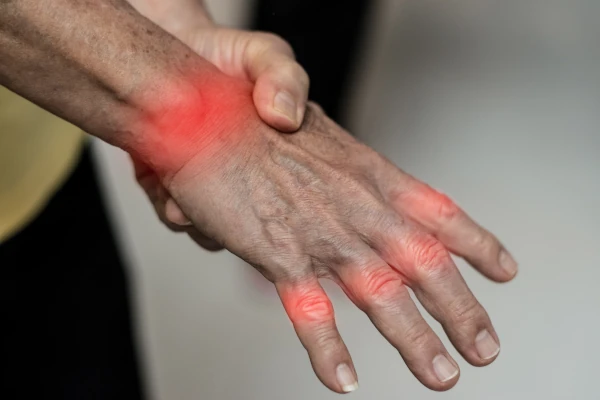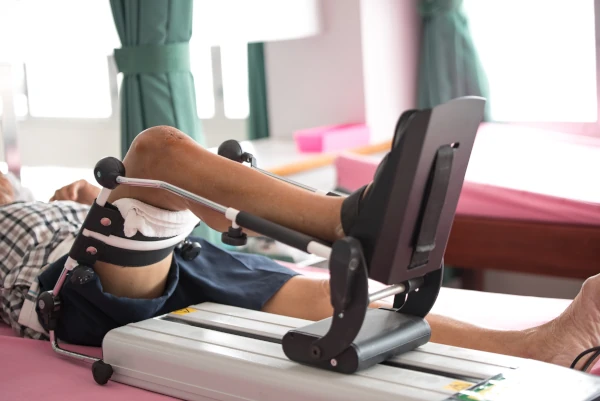
This post-surgery rehab guide is designed to help you understand symptoms, treatment options, and practical physiotherapy steps to improve recovery outcomes.
Post-surgery rehabilitation is essential for restoring mobility, strength, and confidence after orthopedic, abdominal, neurological, or cardiothoracic procedures. Without structured rehab, stiffness, weakness, and delayed functional recovery are common.
This guide explains why physiotherapy is crucial after surgery, recovery phases, exercise progression, complication prevention, and safe return-to-function strategies.
Why Post-Surgery Rehab Matters
- Restores range of motion and tissue flexibility
- Rebuilds strength and endurance
- Improves gait and movement quality
- Reduces pain and swelling
- Prevents secondary complications
Goals of Physiotherapy After Surgery
- Pain control and edema management
- Early safe mobilization
- Progressive strength restoration
- Functional retraining for daily activities
- Return-to-work and return-to-sport planning
Phases of Post-Operative Rehabilitation
Phase 1: Immediate Post-Op
- Breathing exercises and circulation drills
- Pain and swelling control techniques
- Protected mobility with assistive devices
Phase 2: Early Strength and Mobility
- Joint mobility progression
- Muscle activation and low-load strength work
- Movement pattern correction
Phase 3: Functional Recovery
- Progressive resistance and endurance training
- Balance and coordination retraining
- Task-specific activity simulation
Common Complications Rehab Helps Prevent
- Joint stiffness and contracture risk
- Muscle wasting from inactivity
- Poor gait and compensatory movement patterns
- Falls and reduced confidence
- Delayed return to independence
Home Program Essentials
- Follow prescribed frequency and progression
- Keep exercise log for adherence and response
- Use assistive devices correctly
- Prioritize sleep, nutrition, and hydration
- Report unexpected swelling, pain, or fever promptly
When to Contact Your Care Team Urgently
- Sudden severe pain or swelling increase
- Redness, warmth, discharge, or fever signs
- Breathlessness, chest pain, or calf swelling
- New neurological symptoms or weakness
Frequently Asked Questions
How soon should physiotherapy start after surgery?
Timing varies by procedure, but early guided movement usually improves outcomes when medically cleared.
Can online physiotherapy support post-op rehab?
Yes, for selected stages with clear protocol, follow-up, and proper safety screening.
Recovery Milestones to Monitor
- Range of motion targets by postoperative week
- Pain and swelling trend with activity progression
- Strength return in key movement patterns
- Independence in daily tasks and mobility
- Readiness benchmarks for work or sport return
Common Mistakes After Surgery
- Doing too little movement for too long
- Progressing load beyond tissue-healing tolerance
- Skipping follow-up physiotherapy adjustments
- Ignoring red-flag symptoms during recovery
Additional Expert FAQs
Is pain after rehab sessions always bad?
Mild temporary soreness can be normal, but persistent worsening should trigger load adjustment and clinician review.
Need a Personalized Recovery Plan?
Every condition responds differently to treatment. For better outcomes, combine self-care with expert guidance, structured progression, and regular review. Explore our physiotherapy services, see how our treatment process works, or read more evidence-based guides in our blog library.