Explore symptoms, assessment and rehabilitation considerations for foot pain.
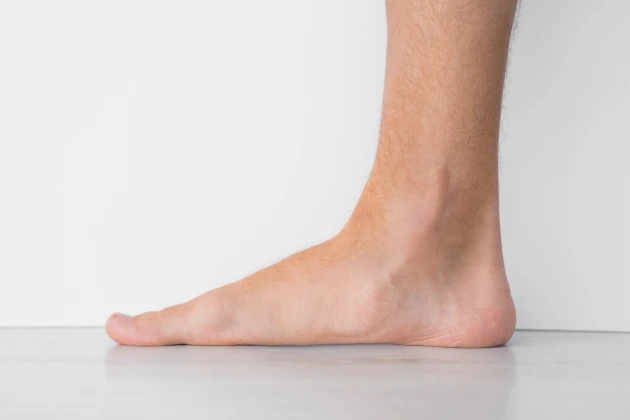
Flat feet describe a low or absent arch when standing. Many people have this foot shape without pain or difficulty. Assessment is more useful when there are symptoms, a new change in shape or a problem with walking than when considering the arch's appearance alone.
When flat feet need assessment
The NHS flat-feet guide explains that painless flat feet usually need no treatment and should not prevent activity. Arrange assessment for pain, stiffness, weakness, numbness, repeated injuries or walking difficulties. A new change, particularly in one foot, also needs review.
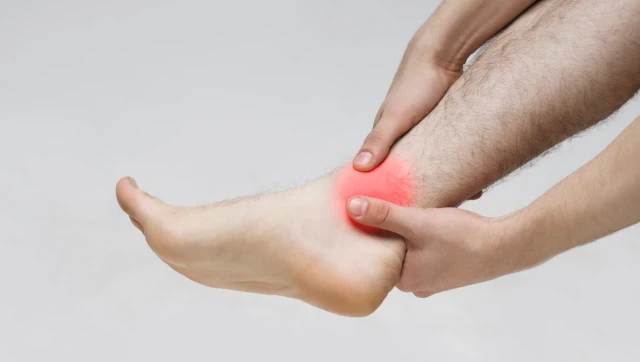
AAOS guidance on progressive collapsing foot deformity describes a distinct problem involving structures supporting the arch, including the posterior tibial tendon. Pain or swelling along the inner foot and ankle can be relevant. Not every low arch represents this condition.
Explain when symptoms began, where they occur, what activity brings them on and whether the shape has changed. A clinician can decide whether examination or imaging is needed; a photograph alone cannot establish the cause of pain.
Footwear and insoles for symptom support
NHS guidance describes comfortable, wide shoes with a low heel, and advice about insoles where symptoms need support. These measures can help discomfort but should not be presented as a way to permanently change foot shape.
Bring the shoes and any inserts you use to an assessment. Discuss fit, pressure points, walking comfort and whether the insert leaves enough space in the shoe. Ask what a proposed insole is intended to help and how its effect will be reviewed.
If a new support is uncomfortable or symptoms worsen, seek advice about fit rather than continuing solely to complete a set schedule. Assessment of a painful or progressively changing foot may lead to a different plan from support for an otherwise comfortable low arch.
Exercise examples to discuss after assessment
The AAOS foot and ankle conditioning programme is a general rehabilitation resource intended for use with professional guidance. Ask which movements suit your diagnosis, current symptoms and ability to stand safely.
Supported calf stretch
Facing a wall for support, place the leg being stretched behind you with the knee straight and heel on the floor. Move your hips gently towards the wall to feel a calf stretch. Do not force the movement or arch your back.
Seated towel curls
Sit with your feet on the floor and a small towel in front of you. Gather the towel towards you using your toes, then relax. Ask whether this exercise is appropriate and how much practice is needed; do not add resistance without advice.
Stop if an exercise causes pain and discuss it with the clinician. These examples are not a complete flat-foot programme. Walking and standing goals should be reviewed alongside exercise technique and any prescribed support.
Questions about faradic foot baths or electrical treatment
If an electrical treatment is suggested, ask what specific problem it aims to address, what evidence supports its use for your diagnosis and how it compares with other options. Confirm suitability, supervision and how benefit would be assessed.
A treatment decision should follow assessment of symptoms and function. Do not assume an advertised device or treatment is necessary simply because your arches are low.
When foot pain needs urgent medical assessment
NHS advice on pain in the bottom of the foot recommends urgent help for severe pain, inability to walk, a sudden change in shape or unusual angle, or a snap, grinding or pop at the time of injury. Feeling faint or sick from the pain also needs urgent advice.
Seek assessment for worsening or recurrent pain, reduced sensation or symptoms limiting normal activity. If you have diabetes and foot pain, arrange medical review rather than assuming the arch is the explanation. Our diabetes exercise guide covers foot checks and activity planning alongside diabetes care.
Preparing for foot and ankle physiotherapy
Note the walking or standing tasks you want to improve and bring relevant medical advice. Explain any changes in sensation, swelling or walking ability. Ask whether an in-person foot examination or podiatry assessment is needed.
Our foot and ankle physiotherapy information explains movement assessment and exercise support. The home physiotherapy guide covers demonstrations and review questions.
Does a child with painless flat feet need corrective exercises?
NHS guidance says no action is needed when flat feet cause no problems. Seek assessment if there is pain, difficulty walking or another concerning change.
Can flat feet explain every knee, hip or back symptom?
Foot shape alone does not establish the cause of pain elsewhere. Explain those symptoms so they can be assessed rather than relying on an assumed alignment problem.
Sources and further reading
Need a Personalized Recovery Plan?
A physiotherapist can help you choose exercises and adjust activity to your circumstances. Explore our physiotherapy services, see how our treatment process works, or explore more practical guides in our blog library.