This body pain guide is designed to help you understand symptoms, treatment options, and practical physiotherapy steps to improve recovery outcomes.
Physiotherapy machines can support pain relief and recovery when used for the right condition, at the right stage, and with proper clinical guidance. This guide compares common rehab devices, practical use cases, and safety considerations for clinic and home settings.
Top Physiotherapy Machines and Best Use Cases
- TENS: Pain modulation for acute and chronic musculoskeletal pain
- EMS/NMES: Muscle activation after injury or surgery
- IFT: Deeper pain modulation and edema support
- Therapeutic Ultrasound: Select soft-tissue healing support
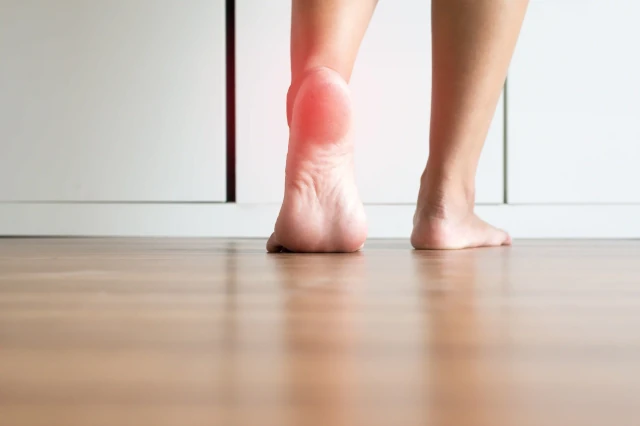
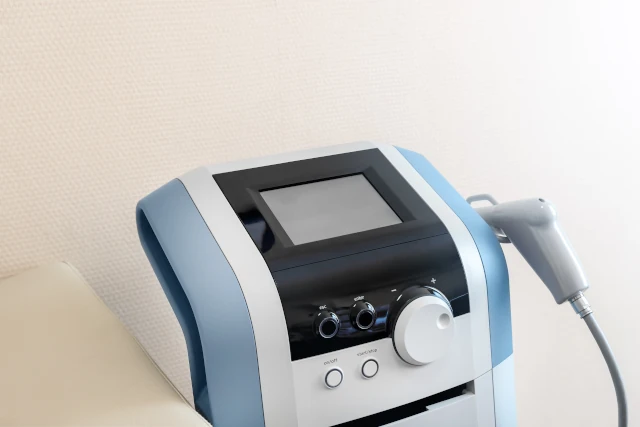
- Shockwave: Tendinopathy and plantar fasciitis protocols
- Low-Level Laser: Adjunct for inflammation and tissue repair
- CPM: Early post-op joint mobility in selected orthopedic cases
- Cryotherapy Units: Acute inflammation and swelling control
- Compression Therapy Devices: Edema and circulation support
- Hydrotherapy Systems: Low-impact pain-relieving exercise support
How to Choose the Right Device
- Define the target: pain relief, strength, swelling, or mobility
- Match device to diagnosis, not trend
- Check certification and safety profile
- Assess ease of use and maintenance needs
- Prefer clinician-guided setup for first use
Home vs Clinic Use
Good Home Options
- TENS with proper electrode guidance
- Basic EMS under supervision
- Cold/heat recovery devices
Prefer Clinic Supervision
- Shockwave therapy
- Advanced ultrasound protocols
- Complex post-surgical electrotherapy settings
Safety Essentials
- Do not use over open wounds unless indicated
- Avoid electrical modalities with contraindicated implants
- Never increase intensity aggressively in first sessions
- Stop if pain worsens beyond expected therapeutic discomfort
- Pair machine use with exercise for durable outcomes
Common Mistakes to Avoid
- Using machines as substitute for rehab exercise
- Copying settings from others without assessment
- Ignoring progression and recovery tracking
- Choosing based only on marketing claims
Need a Personalized Recovery Plan?
Every condition responds differently to treatment. For better outcomes, combine self-care with expert guidance, structured progression, and regular review. Explore our physiotherapy services, see how our treatment process works, or read more evidence-based guides in our blog library.