Explore symptoms, assessment and rehabilitation considerations for physiotherapy equipment.
Preparing for online physiotherapy starts with a usable space, a working video connection and a discussion of your needs. You do not need to buy a standard equipment kit before an assessment. The exercises, support and any tools should fit your condition, current abilities and agreed goals.
Start with assessment before choosing equipment
The NHS physiotherapy overview describes discussing symptoms, medical history and treatment options, with home exercises where appropriate. Tell your physiotherapist what equipment you already have, whether you can get onto the floor and which activities are difficult.
Bring any medical or surgical instructions that affect movement. Ask whether the first session needs only a chair and clear space, or whether a particular item is needed. Our home-physiotherapy guide explains how to clarify technique, exercise amounts and follow-up.
Prepare the camera, connection and room
NHS video-consultation advice recommends a phone, tablet or computer with a working camera and microphone, an internet connection and a quiet, private, well-lit space. Check those basics before the appointment.
- Charge the device and test the appointment link and sound.
- Place the camera securely so you can move without holding it.
- Ask which movements the clinician needs to see and adjust the view together.
- Keep relevant reports, medicines information and questions nearby.
- Agree on what to do if the video or connection fails.
If a helper is needed to position the camera or support a movement, discuss this before the session. Camera setup should not require you to balance on furniture or reach beyond what feels safe.
Make space for the movements you are asked to practise
NHS home-strength exercise advice recommends a solid, stable chair without wheels that will not slip. Choose the support and starting position for the prescribed exercise rather than assuming every programme involves standing or getting onto a mat.
Clear loose cables, rugs and clutter from the movement area. NHS falls guidance recommends addressing trip hazards and seeking assessment when balance or mobility is a concern or you have fallen. Tell the physiotherapist if you need assistance or a walking aid.
A balance pad is not an essential purchase for home rehabilitation. Ask whether any balance exercise is appropriate, which support to use and whether it needs in-person supervision. Keep everyday routes through the room clear as well as the area used during the video call.
Choose bands, weights and mats around the prescribed plan
If a clinician recommends resistance equipment, confirm the exact type and starting resistance. Ask for a demonstration, then show the exercise back so the setup can be checked. Ask about safe placement or anchoring and what symptoms should prompt stopping or contacting the service.
- Can the movement be adapted using equipment I already own?
- What support, load or resistance should I start with?
- How many repetitions and sessions fit this plan?
- How will we decide when to progress or make it easier?
- What should I do if the equipment is damaged or difficult to use?
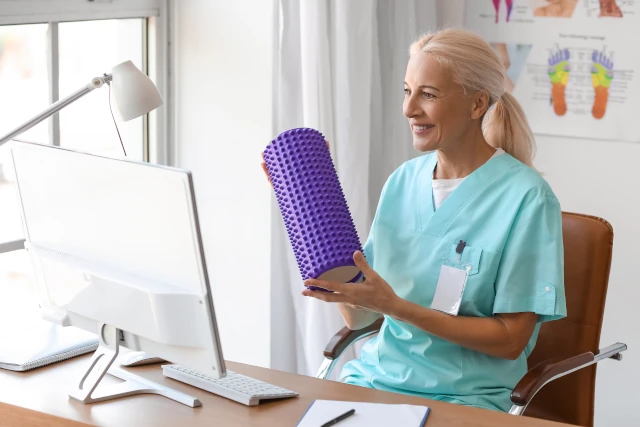
Mats, rollers and weights are options rather than a universal shopping list. A mat is useful only if the programme uses the floor and you can get down and up safely. Tell the clinician about limited space, budget or difficulty handling equipment so the plan can be adapted.
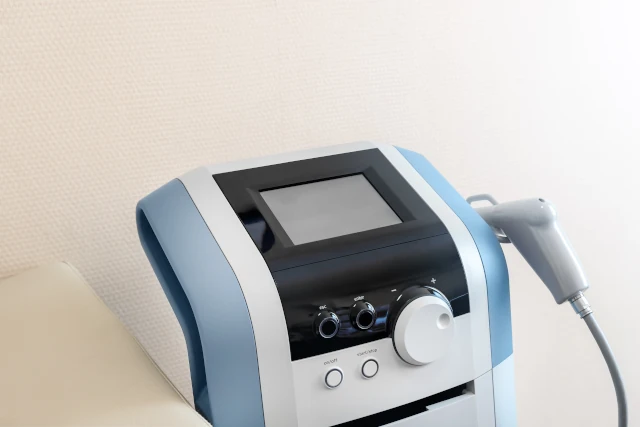
Before buying electrical equipment for pain relief, read our physiotherapy-machine guide and ask whether the proposed treatment is supported for your condition.
When does online physiotherapy need in-person support?
NHS England remote-physiotherapy guidance recommends choosing the consultation format around clinical needs and personal preferences. Some symptoms require a physical examination or investigations. Suitability can change between appointments.
Tell the service if you cannot see or hear instructions clearly, need help with movement or cannot safely demonstrate an exercise. Agree on an adapted session or in-person assessment as appropriate. Our consultation process and pain-management assessment page explain what to prepare for a discussion of symptoms and goals.
Symptoms needing urgent medical assessment
Seek urgent medical help for joint pain with a hot, swollen joint, fever or feeling generally unwell. NHS joint-pain advice also identifies severe pain after injury, inability to bear weight, deformity or loss of feeling around the injured joint as reasons for emergency assessment. Do not wait for an exercise appointment to address these symptoms.
Common questions about home physiotherapy equipment
Do I need to buy bands before my first session?
Ask the service what is needed beforehand. An assessment can help decide whether bands add anything useful and which type is suitable.
Can I exercise if I cannot get onto the floor?
Explain that limitation before the session. Ask about suitable seated or standing alternatives and any assistance needed rather than attempting a floor routine you cannot manage.
Do I need a blood-pressure monitor or pulse oximeter?
If your care team requests monitoring, confirm the device, how to measure and what to do with the readings. Ask whether monitoring is needed for your plan before buying equipment as part of a general home kit.
Sources and further reading
- NHS: physiotherapy assessment, treatment and home exercises
- NHS: preparing for a video consultation
- NHS: supported strength exercises and chair setup
- NHS: falls, home safety and when to get urgent help
- NHS England: suitability and supported self-management in remote MSK physiotherapy
- NHS: joint pain, activity advice and urgent symptoms
Need a Personalized Recovery Plan?
A physiotherapist can help you choose exercises and adjust activity to your circumstances. Explore our physiotherapy services, see how our treatment process works, or explore more practical guides in our blog library.