Explore symptoms, assessment and rehabilitation considerations for pregnancy.
When you are trying to conceive, exercise can be part of looking after your general health. A workout cannot tell you when you will become pregnant. Fertility assessment, preconception care and any treatment instructions should guide decisions alongside the activities you enjoy.
Can exercise help you conceive faster?
The ASRM natural-fertility guidance describes limited robust evidence that lifestyle interventions improve natural fertility, while supporting healthy habits for overall health. This does not establish a particular exercise, yoga pose or stretching sequence as a way to speed up conception. Treat movement as health support rather than a fertility treatment.
Needing fertility care is not evidence that you chose the wrong workout. If conception is taking longer than expected, seek assessment rather than repeatedly making your exercise routine harder.
Choose activity you can sustain
Use your existing activity, health and preferences as the starting point. General adult activity guidance includes aerobic movement, muscle strengthening and less prolonged sitting. Those goals help organize a routine; they are not a fertility-specific prescription.
- Choose a familiar aerobic option, such as walking, cycling or swimming, when suitable for your health.
- Use strength movements you understand and can perform comfortably. Arrange guidance if a movement or piece of equipment is unfamiliar.
- Keep flexibility or gentle movement that feels useful to you, without assigning it a promise about ovulation or implantation.
- Plan alternatives for days when pain, tiredness or practical commitments make the original session difficult.
Our beginner home-workout guide offers supported movement examples. Use it to discuss suitable exercise, rather than to set a deadline for pregnancy.
Do you need to change workouts with your cycle?
Keep notes about symptoms and what feels manageable. You do not need this guide to assign harder training to one cycle phase and lighter training to another. If periods become irregular or stop, discuss this with a clinician rather than assuming exercise is the only cause. During fertility treatment, ask your clinic which activities are appropriate at each stage and follow its instructions.
Preconception care beyond exercise
The NHS preparing-for-pregnancy advice recommends discussing health conditions, prescribed medicines, over-the-counter products and herbal remedies with a clinician. Do not stop prescribed treatment on your own. Use this appointment to review the support you need before pregnancy.
ASRM advises a daily folic acid supplement of 400 micrograms for people planning pregnancy to reduce neural tube defect risk. Ask your clinician which supplement dose is appropriate for you; folic acid is preparation for pregnancy, not an exercise aid or a promise of conception.
If you have diagnosed PCOS or a thyroid condition, discuss your existing care and pregnancy plans together.
When fertility medical assessment is needed
The ASRM fertility-evaluation guidance recommends assessment after 12 months of trying through regular unprotected intercourse when the woman is under 35, or after six months at age 35 or older. Above 40, earlier assessment may be appropriate. Seek advice sooner for irregular or absent periods, known reproductive conditions or a suspected sperm-related issue. Evaluation can include both partners where applicable.
Prepare your cycle history, how long you have been trying, previous pregnancies, known diagnoses and a medicine list. Your clinician can decide which investigations are relevant and when to start them.
A positive pregnancy test and urgent symptoms
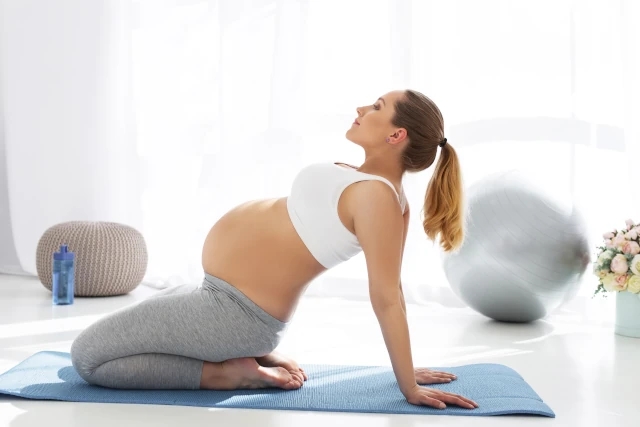
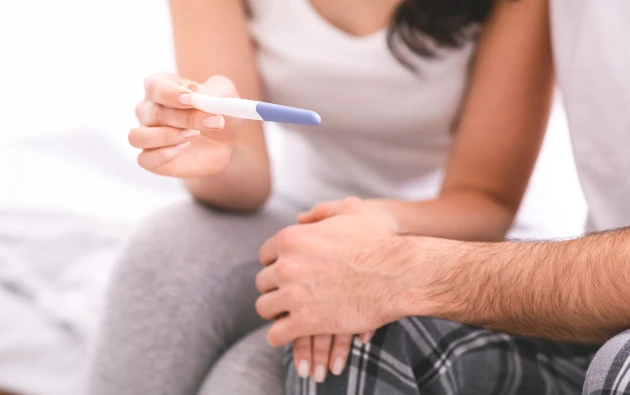
A positive test is a reason to arrange pregnancy care and review your activity with the maternity team. NHS pregnancy-exercise guidance supports appropriate activity during pregnancy, with changes around your health, previous exercise and symptoms. Our prenatal exercise guide explains questions to discuss.
If pregnancy is possible and you have abdominal pain, bleeding or shoulder-tip pain, seek prompt medical advice even without a positive test. Sudden severe abdominal pain with dizziness or fainting needs emergency help. The NHS ectopic-pregnancy guidance describes these symptoms; they cannot be assessed through a workout.
FitMe's pregnancy and postpartum physiotherapy service can support suitable movement or pelvic health needs after assessment. Fertility investigation and treatment need a reproductive-care clinician.
Sources and further reading
- ASRM: natural fertility, lifestyle evidence and preconception folic acid
- NHS: general physical activity guidance for adults aged 19 to 64
- NHS: preparing for pregnancy and reviewing prescribed medicines
- ASRM: fertility assessment timing and reasons for earlier evaluation
- NHS: exercise choices, intensity and precautions during pregnancy
- NHS: ectopic pregnancy symptoms and emergency assessment
Need a Personalized Recovery Plan?
A physiotherapist can help you choose exercises and adjust activity to your circumstances. Explore our physiotherapy services, see how our treatment process works, or explore more practical guides in our blog library.