Explore symptoms, assessment and rehabilitation considerations for back pain.
Knee or back pain after delivery can make feeding, carrying your baby and moving around the home difficult. Support should fit your birth recovery, symptoms and any restrictions from your maternity team. This guide covers practical adjustments, returning to activity and when home care needs medical assessment.
Ask for help with pain that affects daily life
The NHS post-pregnancy body guide explains that physical problems may relate to pregnancy, birth or tasks such as lifting and bending while caring for a child. It recommends asking for help whenever a problem is bothering you.
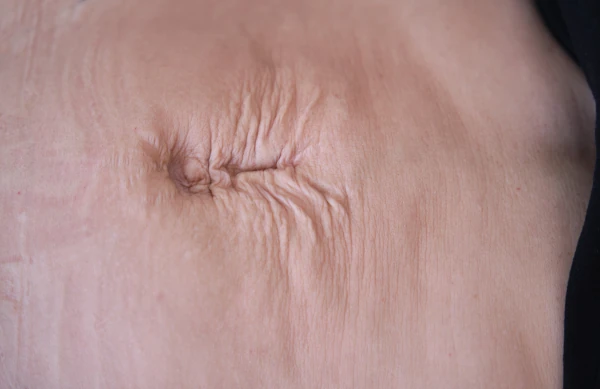
Do not assume every painful knee or back symptom is explained by pregnancy hormones or muscle weakness. Describe where it hurts, when it started, whether there was an injury and how it affects walking, sleep and baby care. Tell the clinician about swelling, leg symptoms, bladder leakage, pelvic heaviness or difficulties with the birth wound.
A postnatal check is an opportunity to discuss recovery, but you do not need to wait for it if symptoms are concerning. Our pregnancy and postpartum consultation page explains assessment and whether online physiotherapy is appropriate.
Make feeding, changing and lifting more comfortable
NHS post-pregnancy advice includes supporting your back during feeding and choosing a practical nappy-changing arrangement. Try the setup before a long task and ask someone to help if pain makes it difficult.
- During feeding, use a comfortable seat with back support and feet supported on the floor.
- Keep needed items within reach so you can avoid repeatedly stretching or twisting while holding the baby.
- If using a raised changing surface, keep your baby attended throughout and prepare supplies beforehand.
- Ask for assistance with carrying, household chores or a movement you cannot manage comfortably.
These are practical adjustments, not proof that one posture caused the pain. Tell the physiotherapist which tasks need adapting rather than trying to maintain a rigid position throughout the day.
Return to activity around your recovery and symptoms
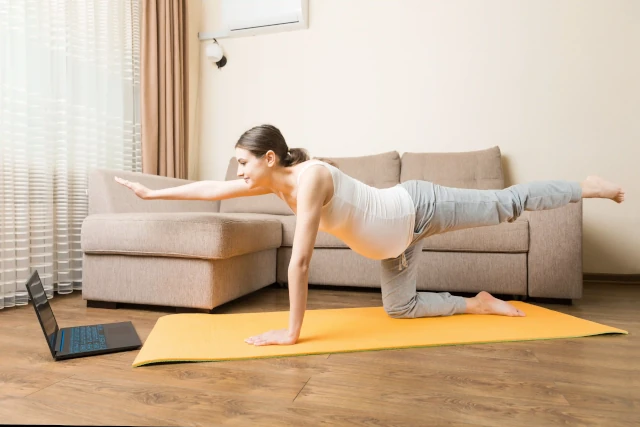
NHS exercise advice after birth says that after a straightforward delivery, gentle activity such as walking or pelvic-floor exercises can begin when you feel ready. After a complicated delivery or caesarean, discuss strenuous activity with your maternity team or doctor first.
Ask for advice before high-impact exercise rather than treating a calendar date as permission to start. Begin with an amount you can manage, and discuss pain, bleeding, wound symptoms, leakage or pelvic pressure before increasing the demands.
For knee or back pain, a physiotherapist can help choose an appropriate starting movement and review your response. There is no universal bridge, squat or abdominal routine for everyone after childbirth. Our abdominal-separation guide and pelvic-floor guide explain why symptoms and individual assessment matter.
Comfort measures and knee-specific concerns
NHS back pain advice includes wrapped heat for stiffness or muscle spasm. Ask a clinician or pharmacist about suitable pain relief, including any breastfeeding considerations, and follow existing wound-care instructions.
A knee that locks, changes shape or cannot bear weight needs urgent assessment rather than an exercise trial. NHS knee-pain guidance explains symptoms that need prompt help. Our knee-symptom guide covers assessment and the limits of self-diagnosis.
Agree on practical goals and a review plan
NICE shared decision-making guidance recommends agreeing on care and when to review it. Choose goals that fit your current responsibilities and support.
- Which baby-care task is most difficult?
- What assistance or equipment is already available?
- What exercise amount and rest fit your day?
- What symptoms should prompt earlier contact?
- How will we review movement, comfort and daily function?
Ask for an adapted plan if lack of sleep, pain or practical demands make it hard to follow. Follow-up should depend on your needs rather than a promise that all postpartum pain will settle by a set week.
Postpartum symptoms needing immediate medical attention
CDC maternal warning-sign guidance explains that serious pregnancy-related complications can occur after delivery, including within the following year. Seek medical care immediately for warning signs such as:
- Chest pain, difficulty breathing or fainting.
- Severe or worsening headache, or changes in vision.
- Heavy bleeding, severe ongoing abdominal pain or fever.
- Marked swelling, redness or pain in one leg or arm.
Tell the medical team when you gave birth. Back pain with new bladder or bowel-control changes, numbness around the genitals or anus, or symptoms in both legs needs emergency assessment under the linked NHS back pain advice. These symptoms should not be attributed to ordinary exercise soreness or delayed until a physiotherapy appointment.
Common questions about pain after delivery
Should I wait for my postnatal check?
Ask for help earlier if pain is bothering you or limiting daily tasks. Urgent or emergency symptoms require prompt medical care.
Can I use the same exercises after a caesarean?
Discuss your recovery and restrictions with the care team. A routine intended for uncomplicated birth may not fit your situation.
Will a postpartum belt solve the pain?
Ask what any proposed support is intended to do and whether it is suitable. Buying a belt does not replace assessment of persistent knee or back symptoms.
Sources and further reading
- NHS: abdominal separation and self-check after pregnancy
- NHS: returning to exercise after birth
- NHS: back pain, self-care and urgent symptoms
- NHS: knee pain and symptoms needing urgent help
- NICE NG197: agreeing care plans and when to review them
- CDC: urgent maternal warning signs during pregnancy and after delivery
Need a Personalized Recovery Plan?
A physiotherapist can help you choose exercises and adjust activity to your circumstances. Explore our physiotherapy services, see how our treatment process works, or explore more practical guides in our blog library.