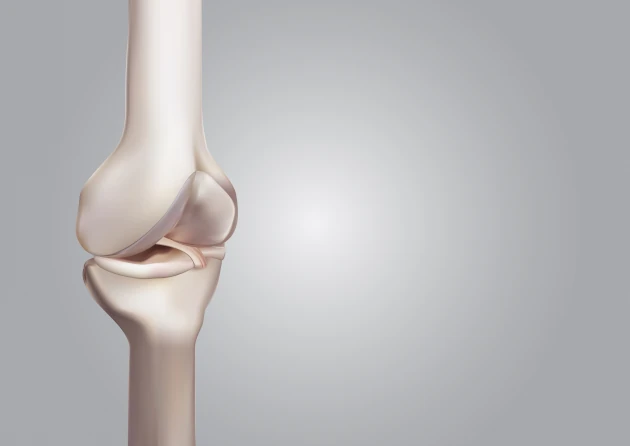
Explore symptoms, assessment and rehabilitation considerations for knee pain.
Knee pain can follow an injury, develop during activity or appear without a clear trigger. Deciding what to do next depends on swelling, movement, weight-bearing and other symptoms as well as pain intensity. This guide explains when to seek help and how assessment informs home care and rehabilitation.
Knee symptoms needing urgent medical assessment
NHS knee-pain guidance recommends urgent help if:
- The knee is very painful.
- You cannot move it or put weight on it.
- It is badly swollen or has changed shape.
- It locks, gives way or clicks painfully.
- There is fever or shivering with heat or redness around the knee.
Do not use a pain score alone to decide that an injury is minor, or try to force a locked or misshapen knee through exercises. Seek assessment and follow the instructions given for the injury.
NHS septic-arthritis information explains that a joint infection needs prompt treatment. A hot, swollen joint with sudden severe pain should be checked straight away; not everyone has a fever. Do not assume it is a routine flare of an existing condition.
What symptoms can tell you, and what they cannot
Injuries, tendon problems and arthritis are among the possible causes of knee pain described by the NHS. Several conditions can share symptoms, so location, a clicking sound or a single movement test does not establish the diagnosis.
Use a symptom record to prepare for assessment rather than trying to match yourself to an online checklist. Useful details include:
- When the pain started and whether there was a fall, twist or impact.
- Where it hurts and which tasks reproduce it.
- When swelling appeared and whether it is increasing.
- Whether the knee catches, locks or gives way.
- Whether you can walk and how sleep or daily tasks are affected.
- Previous injury, surgery, joint disease and current medicines.
Our ACL and meniscus guide and arthritis guide explain how assessment and treatment differ between these conditions.
Home care when urgent symptoms are absent
NHS advice includes reducing weight through a sore knee at first, avoiding prolonged standing and using a wrapped cold pack for pain or swelling. Ask a pharmacist about suitable medicines and follow the product instructions.
Adjust tasks that are difficult and arrange assessment if symptoms worsen or home care is not helping. Do not apply a fixed injury protocol to every cause of knee pain. Support, activity limits and recovery instructions depend on what has been found.
If you have a recent fracture, operation or ligament injury, follow the treating team's plan before changing weight-bearing or exercise. Tell them about worsening swelling, difficulty following instructions or a new change in movement.
What a physiotherapy assessment can cover
The NHS physiotherapy overview describes discussing symptoms, history and lifestyle, checking relevant abilities and agreeing on treatment options. Your examination helps determine whether further medical review or investigation is needed.
Bring a description of your usual activities and any existing medical or surgical instructions. Ask what the working diagnosis is, what remains uncertain and which changes would require earlier review. Our knee-pain consultation page explains assessment, rehabilitation needs and online suitability.
Exercise planning depends on the condition
For osteoarthritis, NICE recommends therapeutic exercise tailored to individual needs, including strengthening and general aerobic fitness. This is guidance for osteoarthritis, not permission to exercise through an unassessed acute injury or a hot, swollen knee.
The Chartered Society of Physiotherapy knee videos provide examples and recommend advice before starting a new exercise programme. Seek urgent medical advice if those exercises worsen your pain.
Ask which movements fit your assessment, how much to do and how progress will be checked. Strength work, balance practice and return to running may have different starting criteria. A universal week-by-week schedule cannot account for all knee conditions.
Our knee movement guide discusses exercise considerations, while the runner's-knee guide covers assessed activity changes for pain around the kneecap.
Agree on a goal and when to review the plan
NICE shared decision-making guidance recommends agreeing on treatment and its review. Choose a practical goal and clarify what happens next.
- What would improvement in walking, stairs or work look like?
- Which symptoms should prompt stopping or contacting the service?
- When should exercise or activity be progressed?
- What will we do if function or swelling does not improve?
Review pain alongside the tasks you can manage. There is no need to achieve a particular pain score before asking for help.
Common questions about serious knee symptoms
Does every click mean damage?
The NHS notes that painless clicking can be normal. Clicking with pain, locking or giving way needs assessment.
Can I diagnose an ACL tear from a popping sound?
Describe the sound, injury and subsequent symptoms to a clinician. A sound alone cannot settle the diagnosis or determine the rehabilitation plan.
Should I force a locked knee straight?
Seek urgent assessment for a knee that locks or cannot move normally. Do not try to overcome the restriction with weighted stretches or manual force.
Sources and further reading
- NHS: knee pain and symptoms needing urgent help
- NHS: septic arthritis and symptoms needing urgent medical help
- NHS: physiotherapy assessment, treatment and home exercises
- NICE NG226: tailored exercise for osteoarthritis
- Chartered Society of Physiotherapy: knee exercise demonstrations
- NICE NG197: agreeing care plans and when to review them
Need a Personalized Recovery Plan?
A physiotherapist can help you choose exercises and adjust activity to your circumstances. Explore our physiotherapy services, see how our treatment process works, or explore more practical guides in our blog library.