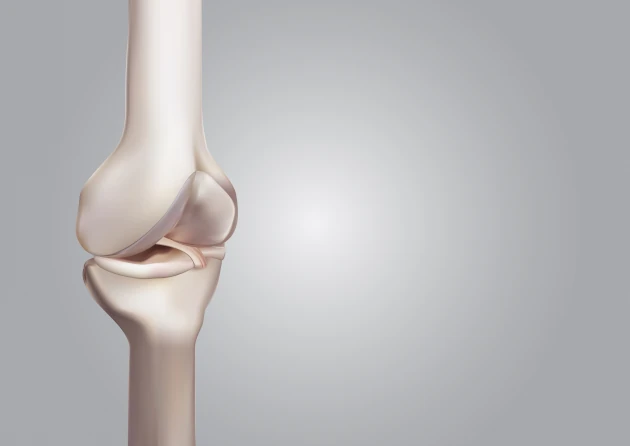
Explore symptoms, assessment and rehabilitation considerations for knee pain.
Knee pain can make stairs, walking and getting up from a chair uncomfortable. Exercises may help, but the right starting point depends on the cause of your symptoms. This guide explains movement options to discuss with a physiotherapist, how to monitor activity, and when a knee needs medical assessment.
When knee pain needs urgent assessment
Seek urgent medical help if your knee is very painful, you cannot put weight on it, it is badly swollen or has changed shape, or it locks or gives way. A hot, red knee together with fever or feeling unwell also needs urgent assessment. These symptoms should be assessed before starting an exercise routine.
The NHS knee pain guidance explains these warning signs and why treatment depends on the cause.
Why the cause of knee pain matters
Knee pain can follow a twist or other injury, repeated loading of a tendon, or joint conditions such as osteoarthritis. Similar symptoms can have different explanations, so pain location alone does not establish a diagnosis.
For diagnosed osteoarthritis, NICE recommends exercise tailored to the person, including muscle strengthening and general fitness. This supports a gradual rehabilitation plan rather than a single stretching routine for every knee problem.
Knee stretches and strengthening options
Discuss new exercises with a healthcare professional, especially after an injury or surgery. The Chartered Society of Physiotherapy demonstrations show examples including:
Seated hamstring stretch
Sit upright on a stable chair. Slowly straighten one knee while keeping your back supported by an upright position. If comfortable, bring your toes towards you until you feel a gentle stretch behind the thigh. Avoid forcing the knee straight.
Straight leg hold
Lie on your back with one knee bent and the other leg straight. Lift the straight leg a small distance, keeping the knee extended and avoiding an arch in your lower back. Your physiotherapist can advise on the hold and repetitions.
Sit to stand
Use a stable chair placed against a wall. With both feet on the floor, lean forwards from the hips, stand up, then lower yourself back to the chair with control. Ask for an easier alternative if the movement is painful or unsteady.
These are examples, not a fixed programme. Stop exercises that worsen your pain and seek advice; do not push through a painful or unstable knee.
How to plan and monitor rehabilitation
For osteoarthritis, exercise benefits depend on regular participation and a plan suited to your needs. Some discomfort can occur when starting, but your clinician should help you decide what response is acceptable.
Bring practical goals to your consultation: using stairs, walking to the shops or returning to an activity. Describe what happens during those tasks and what you have already tried. Agree on exercise choices, progression and when to review the plan rather than following a universal weekly increase.
Our knee pain physiotherapy guide explains video assessment, rehabilitation considerations and consultation preparation.
Frequently asked questions about knee exercises
Is stretching enough for knee osteoarthritis?
Stretching is only one possible part of a plan. NICE recommends tailored therapeutic exercise, which can include strengthening and general aerobic activity.
How many repetitions should I do?
The amount should be chosen for your symptoms, movement ability and treatment goals. Ask your physiotherapist how to start and when to adjust it.
How long will recovery take?
A knee injury and a long-term joint condition have different rehabilitation needs. Ask for expectations based on your assessment rather than a guaranteed number of weeks.
When should I get help for ongoing pain?
Arrange medical advice if symptoms are not improving after a few weeks. Seek help sooner for the urgent symptoms described above.
Sources and further reading
Need a Personalized Recovery Plan?
Explore our treatment options for this topic: Online Physiotherapy for Knee Pain.
A physiotherapist can help you choose exercises and adjust activity to your circumstances. Explore our physiotherapy services, see how our treatment process works, or explore more practical guides in our blog library.