This scoliosis guide is designed to help you understand symptoms, treatment options, and practical physiotherapy steps to improve recovery outcomes.
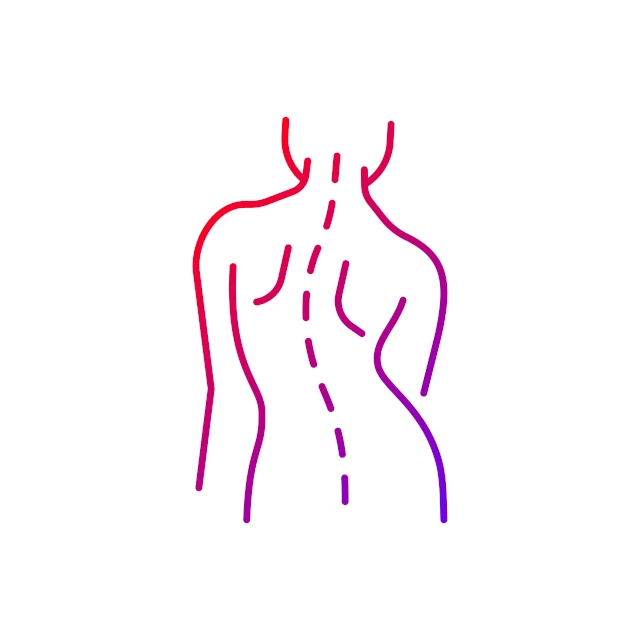
Scoliosis is a three-dimensional spinal condition where the spine curves laterally and may rotate, causing postural asymmetry and, in some cases, pain or functional limitations. This comprehensive guide covers scoliosis types, causes, symptoms, diagnosis, and treatment options across different age groups.
If you are searching for scoliosis symptoms in children or adults, Cobb angle meaning, scoliosis physiotherapy exercises, and when brace or surgery is required, this page is built for that intent.
What Is Scoliosis?
Scoliosis is diagnosed when spinal curvature is 10 degrees or more on standing X-ray using Cobb angle measurement. Curve progression risk depends on age, growth potential, curve location, and baseline angle.
- Mild: 10-20 degrees
- Moderate: 20-40 degrees
- Severe: more than 40 degrees
Major Types of Scoliosis
- Idiopathic scoliosis: Most common type; cause not fully known; often appears during growth spurts.
- Congenital scoliosis: Due to vertebral formation differences before birth.
- Neuromuscular scoliosis: Associated with conditions affecting muscle and neural control.
- Degenerative scoliosis: Adult-onset curvature from disc and facet degeneration.
- Functional scoliosis: Temporary spinal curve due to pain, leg-length difference, or muscle spasm.
Common Symptoms and Signs of Scoliosis
- Uneven shoulders, ribs, or waistline
- One shoulder blade appearing more prominent
- Body leaning slightly to one side
- Back muscle fatigue or stiffness
- Pain, reduced endurance, or breathing limits in larger curves
How Scoliosis Is Diagnosed
- Clinical screening and postural observation
- Adams forward bend test
- Standing spinal X-rays with Cobb angle analysis
- Growth-risk assessment in children and adolescents
- MRI in selected atypical or neurological presentations
Scoliosis Treatment Options
1. Observation and Monitoring
Mild non-progressive curves are usually monitored with periodic re-evaluation during growth phases.
2. Physiotherapy-Based Management
- Curve-specific corrective positioning
- Breathing and thoracic expansion training
- Asymmetry-focused strength and endurance exercises
- Pain management and function restoration in adults
3. Bracing
Used mainly for selected growing adolescents with progression risk to reduce curve worsening.
4. Surgical Treatment
Considered in progressive severe curves or curves affecting function, balance, or cardiopulmonary status.
How Physiotherapy Helps in Scoliosis
Physiotherapy does not always reverse structural curves, but it can improve posture, mobility, pain, respiratory efficiency, trunk control, and confidence in daily activities.
- Improves body awareness and movement quality
- Supports long-term curve management strategy
- Reduces recurrence of pain episodes in adults
- Enhances quality of life and physical capacity
Frequently Asked Questions About Scoliosis
Can scoliosis be cured completely with exercises?
Exercises improve posture and symptoms significantly, but structural curve correction depends on type, age, and severity.
Can adults develop scoliosis later in life?
Yes. Degenerative scoliosis is common in aging populations with disc and joint wear.
Does every scoliosis patient need surgery?
No. Most patients are managed with observation, exercise, or bracing, while surgery is reserved for selected progressive severe cases.
Need a Personalized Recovery Plan?
Every condition responds differently to treatment. For better outcomes, combine self-care with expert guidance, structured progression, and regular review. Explore our physiotherapy services, see how our treatment process works, or read more evidence-based guides in our blog library.