Online physiotherapy services
Online Neurological Physiotherapy
Individual rehabilitation guidance for movement difficulties, with assessment of care needs and remote-session suitability.
* No payment required for the first consultation.
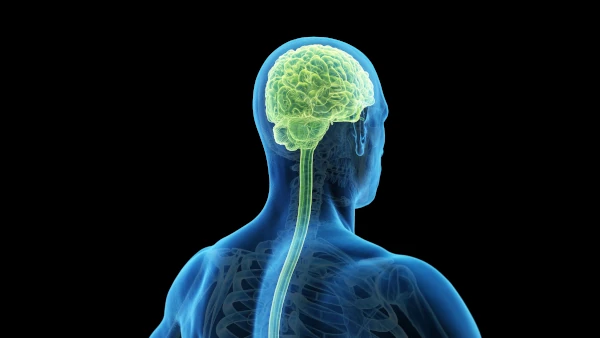
Neurological conditions can affect movement, coordination and everyday independence. FitMe Physio offers consultations to discuss rehabilitation goals and whether video-based support is appropriate. Your diagnosis, medical plan and need for hands-on assistance guide the approach.
What does a neurological rehabilitation consultation cover?
The assessment considers your established diagnosis, current healthcare plan and how movement difficulties affect daily life.
Review your care history
Discuss changes after stroke or with a neurological condition, existing rehabilitation and relevant medical advice.
Discuss functional needs
Explain difficulties with movement, coordination, walking or transfers and the support available at home.
Assess remote-care suitability
Agree whether tasks can be observed safely by video or require an in-person assessment.
How is neurological rehabilitation individualized?
Online sessions may support an existing rehabilitation plan when clinically appropriate. Goals reflect your diagnosis, abilities, fatigue and support needs.
- Guided practice of suitable movements and everyday tasks.
- Exercises selected for strength, coordination or mobility where appropriate.
- Reviews of functional goals and communication with your existing care plan.
When is online neurological care appropriate?
Complex mobility, transfer or balance difficulties may require hands-on care and trained assistance. Sudden facial drooping, new arm weakness or speech difficulty requires immediate emergency help, even if symptoms improve. A new neurological event is not a routine physiotherapy appointment.
Prepare for a supported video consultation
Discuss any assistance or communication needs before attempting movement tasks.
- Keep your diagnosis, discharge plan and current rehabilitation instructions available.
- Explain the walking aids or other prescribed equipment you use.
- Arrange appropriate support if needed; avoid demonstrating unsafe transfers or unsupported standing.
Read more about our online physiotherapy assessment and treatment process and meet our physiotherapy team.
Neurological conditions and rehabilitation topics
These guides explain conditions that can affect movement. Individual suitability depends on medical assessment, care needs and the support available.
- Stroke Rehabilitation
- Parkinson's Disease
- Multiple Sclerosis
- Cerebral Palsy
- Peripheral Neuropathy
- Traumatic Brain Injuries
- Spinal Cord Injuries
- Motor Neuron Disease
- Balance and Coordination Issues
- Vestibular Rehabilitation
- Cognitive Rehabilitation
- Alzheimer's Disease
- Migraine
- Epilepsy
- ALS (Amyotrophic lateral sclerosis)
- Bell's Palsy
- Brachial Plexus Injury
- Cerebral Atrophy
- Peripheral Nerve Injury
- Post-Polio Syndrome
- Progressive Supranuclear Palsy
- Chronic Regional Pain Syndrome
- Dystonia
- Encephalopathy
- RSD (Reflex Sympathetic Dystrophy)
- Spinal Cerebellar Ataxia
- Tay-Sachs Disease
- Transverse Myelitis
- Trigeminal Neuralgia
- Foot Drop
- Guillain-Barre Syndrome (GBS)
- Hereditary Spastic Paraparesis
- Hydrocephalus
- Meningitis
- Meningocele
- Muscular Dystrophy
Unable to find your specific condition?
Explain your existing diagnosis, current care plan and the movement tasks you want to improve. We can discuss suitable support and assessment needs.
Questions about online neurological physiotherapy
Can stroke rehabilitation include online sessions?
Telerehabilitation can form part of stroke recovery when appropriate. Your healthcare team and physiotherapist consider safety, equipment and assistance needs before planning remote tasks.
Can physiotherapy cure Parkinson's disease?
Physiotherapy supports function and movement as part of ongoing care. It does not cure Parkinson's disease or replace prescribed medical treatment.
Should a family member join the session?
A family member or carer may help with communication or camera setup. Physical assistance should follow professional guidance and the person's existing care plan.
What if standing is unsafe?
Explain this before the session. Some discussion or seated assessment may be possible, but hands-on assessment or support may be necessary. Do not try to stand unsupported for the camera.
Related movement and rehabilitation information
Physiotherapy for older adults
Read about mobility, support and everyday function.
Rehabilitation after surgery
Explore planning rehabilitation alongside medical instructions.
Further reading
Clinical guidance on symptoms and rehabilitation:
Discuss Your Rehabilitation Plan
Book an online consultation to discuss your symptoms, movement goals and appropriate support with a physiotherapist. Introductory consultations and paid treatment sessions each last one hour.
Learn More About Brain & Nerve Therapy
For detailed insights into managing neurological conditions, read our blog article.